Every Australian who enters an online casino has known the thrill of a winning streak disappear or the sting of chasing losses. The difference between a night you remember fondly and one you regret often comes down to a single, levelupcasino online sportsbook, underestimated skill: session management. It doesn’t mean restricting fun. It’s about safeguarding it. By grasping the rhythm of play, setting clear boundaries, and heeding the psychological patterns that emerge during gambling, any player can turn a casual pastime into a controlled, fulfilling activity that never outstays its welcome.
Developing a Rock-Solid Bankroll Approach
A bankroll strategy is the financial cornerstone of any session management plan, and it starts long before you put your first bet. The most common misstep is considering a gambling budget as a goal to increase instead of a cost for recreation. A bulletproof bankroll is an amount that, if lost completely, wouldn’t touch a single expense, grocery shop, or future project. That’s not a negative view. It’s a freeing one. When you treat that money as used the second it enters your casino account, the pressure to win vanishes, and you make decisions driven by fun, not a urgent need to recover the grocery budget.
Calculating a Realistic Entertainment Budget
A practical budget falls comfortably inside your spare income. For an Australian player, that involves looking at a monthly entertainment allocation that includes streaming services, meals out, and a few casino sessions. The secret is to set a session bankroll before you login, not in the thick of the moment. A good rule of thumb: never carry more to a session than you’d shell out on a concert ticket or a night at the pub. This perspective removes the stigma of loss and swaps it with the price of an event. Once that number is fixed, the willpower to follow it is what separates a casual hobbyist from a strategic player who leaves on their own terms.
Separating Funds: The Envelope System in Digital Form

In the physical world, you’d place a predetermined amount of cash in an envelope for a night at the pokies. The online version is just as impactful and far easier to set up. Using a separate e-wallet or setting a clear deposit limit before the session creates a electronic wall between gambling funds and everyday money. This isolation acts as a psychological shield. When the session bankroll runs dry, your brain detects a definite stop signal, just like an empty wallet at a land-based club. It stops the dangerous habit of digging into a savings account with a fast transfer, the fastest way to wreck a session management plan.
Utilizing E-Wallets for Session Isolation
Many Australian players have success using a certain e-wallet loaded only with the session’s budget. This method adds a layer of valuable friction. If you run out of funds, you have to deliberately log out, open a separate banking app, and transfer more money. That pause in the action is often enough to bring you out of a tilted state and remind you of the limits you set. Platforms like Level up Casino support a range of these payment methods, making it simple to allocate a single digital vault for a particular session. That way, your bankroll never inadvertently merges with funds meant for the next mortgage payment.
Mastering the Clock: Time as Your Biggest Ally
Money is the evident metric in a casino, but time is the quiet factor that eats away at discipline. The person spinning reels for three hours isn’t the same rational person who logged in after dinner. Decision fatigue, the documented psychological phenomenon where choice quality declines after prolonged decision-making, is a bankroll’s worst enemy. Mastering the clock means recognizing that session length matters just as much as the monetary limit. Even a carefully managed bankroll can be destroyed by a session that drags on too long, causing you to abandon your stop-loss rules out of sheer mental exhaustion and growing fatigue.
Defining Session Duration Limits
A session duration limit is a hard stop based on the clock, not your balance. You might decide a session lasts exactly one hour, whether you’re up or down. This prevents the classic trap of leaving a winning session too late and giving it all back, or sinking into a losing session hoping for a turnaround that never comes. A phone alarm or desktop notification serves as a non-negotiable signal. When it sounds, the session ends, no questions asked. This trains your brain to value quality over quantity and keeps gambling as a small, well-defined slice of an evening, not a blur that swallows the whole night.
The Mechanics of Decision Fatigue and Gambling
Every bet, from picking a pokie line to hitting spin, is a micro-decision that drains finite cognitive resources. As a session drags on, your brain’s ability to calculate risk and recall the original budget fades. That’s why you might make a reckless all-in bet in the last ten minutes of a long session that you’d never have considered at the start. Recognizing this biological reality is a game-changer. A smart player schedules the session duration to end well before mental exhaustion kicks in. By keeping sessions short and sharp, your mind stays fresh and the fun remains the focus, not the foggy autopilot of a tired brain cycling patterns.
The value of Breaks and Self-Checks
A non-stop session is a breeding ground for bad decisions. The human brain wasn’t built for constant, high-stakes micro-decisions without a break, and a player who overlooks this plays at a serious disadvantage. A regular break is a tactical reset. Stepping away from the screen for just five minutes lowers a racing heart rate, refreshes the body, and resets mental focus. During a break, do a rapid self-check: Are you truly having fun? Are you pursuing a loss? This simple act of standing up is often the single most effective tool in a session management toolkit, breaking the hypnotic loop of the game and reclaiming conscious control over the experience.
Corporeal and Mental Check-Ins
A well-timed check-in means posing a few sincere questions. Is your posture tense? Has the session run longer than planned? Are you making bets you wouldn’t normally make? These checks are a form of mindfulness applied to gambling. You might program a timer every 20 minutes, not to end the session, but to prompt a 60-second pause. During that minute, stand up, stretch, and check at your balance and the clock. This pause is often enough to prevent a session slipping off the rails. It converts a inactive, reactive experience into an active, self-aware one, ensuring you remain the pilot, not the passenger, across the whole gambling experience.
Utilizing Reality Check Tools
Modern online casinos, including platforms like Level up Casino, offer built-in reality check tools that are far more powerful than a simple alarm clock. These tools display a pop-up notification at selected intervals, showing you exactly how long you’ve been logged in and your net session result. Viewing this data is a potent antidote to the time warp effect online gambling creates. When you’re obliged to acknowledge you’ve been playing for two hours and are down a certain amount, the emotional pull to chase gets countered by cold, hard facts. A reality check works like an impartial friend nudging you on the shoulder to remind you of the plan you set at the start of the night.
Win and Loss Limits: The Golden Rules of Restraint
As your bankroll fuels the session and time powers it, win and loss limits act as the steering wheel that keeps the session on track. These are predetermined financial thresholds that signal the exact moment to cease. A loss limit is a defensive shield, the top figure you’re comfortable losing per session. A win limit is just as important, a celebration point that locks in a great result. Without these absolute boundaries, you’re relying on hope, and hope is a notoriously poor accountant. Real discipline is not challenged during large victories; it’s tested in the quiet moment you stand up and walk away because you hit your pre-set number.
Establishing a Logical Win Objective
A profit objective must be a feasible, enticing benchmark that indicates a productive session. It is not a fantasy of a transformative jackpot, but a concrete portion of your session funds. For numerous players, a win goal of thirty to fifty percent is a reliable, reachable objective that converts a decent session into an excellent one. As soon as that figure is attained, your single responsibility is to withdraw or disconnect and relish the success. Chasing a higher number because the run feels hot is the speediest route to transform a gain into a deficit. A win goal is a promise to bank the profit and enable the pleasant emotion of a fruitful session to persist long after the final spin.
The Cutoff Point: Shielding Your Bankroll from a Losing Streak
A cutoff threshold is a fixed number that signals the point of no return for a session. It’s the amount you’re completely comfortable losing, and once it’s gone, the session is over. This amount should not be adjusted or extended. The instant you change your loss limit during a session, the whole management plan collapses. The loss limit functions by eliminating emotional choices during the intensity of a losing run. When goal.com you notice your bankroll touch that established low point, you can power down the device with a clear mind, knowing you played exactly within your means and protected your future bankrolls for another day of entertainment.
Why Session Management Counts More Than You Think
Session management means treating every gambling visit as a self-contained event with a clear start and finish. It extends well past knowing how much money is in the account. A well-planned session recognizes that your decision-making alters under the effect of excitement, fatigue, and the tricky glow of a near-miss. Without a system, you drift from a practical budget into a hazy haze of rash bets. The aim is to preserve the game fun and make sure that whether you win or lose, you walk away being in control.
In Australia’s online gambling scene, pokies and live dealer games are available 24/7, and the absence of a closing time can be a hidden trap. A land-based venue has lights coming on and a last call for drinks, but a digital platform is always open. Session management becomes the virtual clock that shields you from the infinite scroll. It’s the difference between a scheduled evening of entertainment and a blurred, unremembered block of hours. When you handle sessions well, you stop measuring success only by your balance and commence valuing the quality of the time spent, a far healthier gauge for long-term enjoyment.
Picking Your Game and How It Affects on Managing Sessions
Not all casino games are the same when it comes to session management, and a tactical player picks their arena wisely. A game’s variance, return to player, and sheer pace all have a clear impact on how a funds performs over time. A volatile pokie can consume a session budget in a few minutes, while a low-risk game extends the same amount into an hour of stable play. Understanding these dynamics isn’t about finding a guaranteed formula; it’s about aligning the game to your session goal. If you desire a long, easygoing session, a stable game is the best partner. A high-risk title matches a fast, intense thrill, as long as you adapt the playing time accordingly.
Understanding Risk Level and Return to Player
Risk level represents a game’s risk profile. A low-volatility pokie offers small, regular wins that maintain the balance ticking over. A high-volatility pokie rewards infrequently, but the wins are larger. RTP is a projected portion of money refunded over millions of spins. A 96% RTP game is designed to refund $96 for every $100 bet over an endless timeline. In a individual session, though, volatility prevails. A player who comprehends this aligns session goals with the game’s nature. A long, social session with friends requires a low-volatility title, while a attempt at a big jackpot is a high-volatility task that requires a tighter, shorter time limit and a reduced bankroll distribution.
Pace of Play and Involvement
The pace of a game cycle is a crucial, often neglected factor in session management. A fast-paced pokie with autoplay can burn through hundreds of spins in minutes, leaving a session plan in ruins before you even recognize it. On the other hand, a strategic game like blackjack involves active decisions that inherently reduce the bankroll’s burn rate. The level of engagement dictates your emotional state. A calmer, more deliberate game keeps your mind alert and prevents the trance-like state that fast pokies induce. By intentionally selecting a game based on its pace, you actively regulate the tempo of your full session and remain more aware of your spending patterns.
Slot Machines vs. Table Games: A Speed Comparison
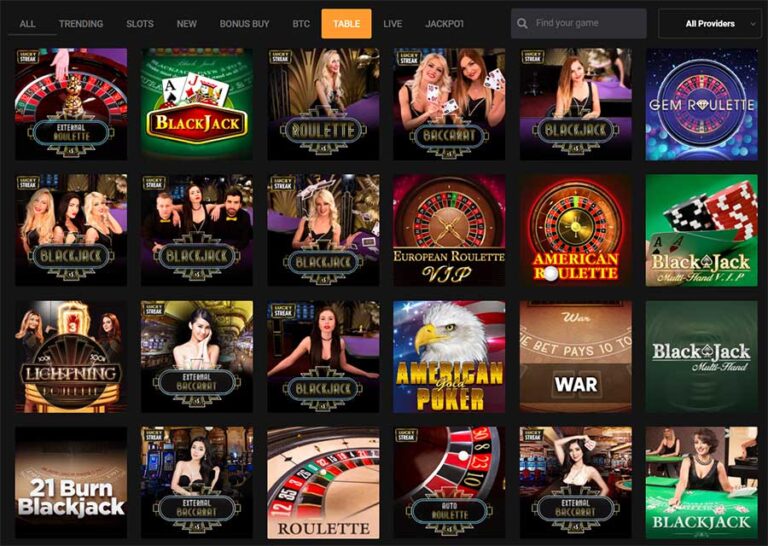
A standard online pokie finishes a spin per three to five seconds, especially with turbo mode. In ten minutes, you can readily clock over 100 spins. A table game like live dealer blackjack might see 40 to 60 hands per hour. That speed difference means a $100 bankroll evaporates in a blink on a high-speed pokie, while the same amount provides hours of entertainment at a blackjack table. A player who knows this assigns session time accordingly. If the goal is to make a budget last a full evening, a table game is the natural choice. If you’re after a quick, intense burst of action, a pokie session with a small bankroll and a tight time limit is the way to go.
Live Casino Games and the Social Factor
Live dealer games introduce a unique variable: the human element. The dealer’s pace, the chat, and the ritual of cards being dealt create a slower, more deliberate rhythm. This social engagement is a powerful tool for keeping a session grounded. The breaks between hands and the visual ceremony make it much harder to slip into mindless, rapid betting. If you find it hard to self-regulate on solitary pokies, the structured environment of a live blackjack or roulette table functions as an external session manager. It naturally controls the play and makes the time feel like a social event, not an isolated digital transaction, strengthening healthy habits.
How an Reliable Platform Improves Your Session Management
Your personal discipline is the core of good session management, but the environment either supports or undermines that resolve. A reliable platform delivers more than a collection of games; it provides a structure of options that make responsible play the path of greatest ease. From clear deposit limits set daily, weekly, or monthly, to a open transaction history for straightforward spending tracking, the design choices matter. When an Australian player selects a casino like Level up Casino, they pick an ecosystem built to respect their limits. The convenience of setting a cooling-off period or accessing a full account statement turns good plans into smooth actions, removing the friction that often compromises a session plan.
Built-in Responsible Gambling Features
The most valuable element a platform can provide is a robust set of player-controlled caps. A deposit limit set at the account level is a barrier that a moment of temptation can’t penetrate during a session. A session time limit that instantly logs you out is a gentle but resolute guardian of the clock. The top platforms integrate these options fluidly into the user dashboard, not as an afterthought hidden in a terms page. They empower you to set your own parameters and then enforce them without discussion. This partnership between player discipline and platform technology builds a safety net, converting a solo act of self-control into a reinforced, system-wide plan for sustainable entertainment.
Transparency and Fair Play
A session management plan is only as effective as the data underlying it, and a trustworthy platform provides total openness. You should be able to check a full, real-time history of deposits, withdrawals, and gameplay duration. This audit trail is essential for truthful self-assessment after a session. When you notice you routinely exceed time limits on a particular game, you can modify your plan. A platform that values fair play, with separately audited games and clear RTP information, removes the persistent doubt that a loss was anything other than randomness. That assurance lets you embrace a unsuccessful session as a normal part of the entertainment cycle, not a personal setback or a reason to pursue.