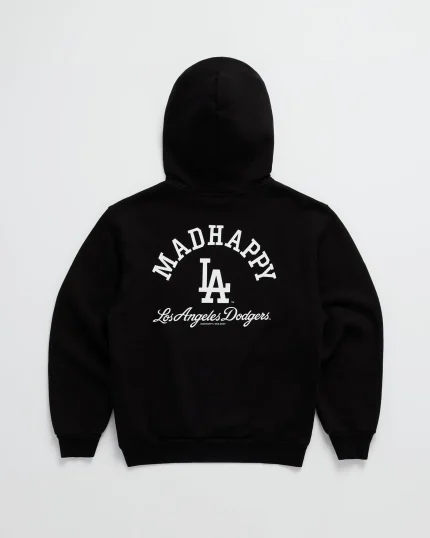
In an era where fashion often chases trends at lightning speed, few brands dare to slow down and ask deeper questions about purpose, identity, and emotional connection. Madhappy is one of those rare exceptions. Founded with a mission that goes far beyond clothing, the brand has carved out a distinctive space at the intersection of streetwear and mental health awareness. What makes Madhappy truly unique is not just its premium hoodies or vibrant color palettes—it’s the philosophy that optimism, vulnerability, and human connection can coexist within the world of fashion.
From its earliest days, Madhappy positioned itself not simply as a clothing label but as a movement. The founders recognized a cultural gap: while fashion has long been a platform for self-expression, it rarely addressed the emotional realities that define human experience. By weaving mental health conversations into its identity, Madhappy has redefined what it means to wear your feelings—not as a trend, but as a statement of authenticity.
A Brand Built on Optimism and Real Conversations
At the heart of Madhappy lies a powerful idea: optimism is not about ignoring hardship, but about acknowledging it while choosing hope. This perspective sets the brand apart from traditional fashion narratives that often promote perfection or escapism. Instead, Madhappy embraces the complexity of human emotions, encouraging people to talk openly about mental health, struggles, and growth.
This philosophy is reflected in everything the brand does. Whether it’s through thoughtful messaging printed on garments or community-driven campaigns, Madhappy consistently reinforces the idea that it’s okay to not be okay. In a world dominated by curated social media feeds, this authenticity feels refreshing. The brand doesn’t pretend to have all the answers—it simply creates space for honest dialogue.
Moreover, Madhappy has gone beyond symbolic gestures. Through initiatives like The Madhappy Foundation, the brand actively contributes to mental health awareness and research. This commitment transforms its message from marketing into meaningful action, strengthening its credibility and emotional resonance with audiences worldwide.
The Design Language: Simplicity with Meaning
Madhappy’s design aesthetic is deceptively simple. At first glance, its pieces might appear minimal—clean silhouettes, soft fabrics, and understated branding. But beneath this simplicity lies intentionality. Every color choice, typography detail, and phrase carries a deeper message.
The brand is particularly known for its use of color psychology. Bright, uplifting tones like pastel blues, warm yellows, and calming greens are frequently used to evoke positivity and comfort. These colors are not random; they are carefully selected to create an emotional response, aligning with the brand’s mission of promoting mental well-being.
Typography also plays a crucial role. Words like “Local Optimist” or subtle reminders about mental health are often featured prominently, turning each piece into a wearable conversation starter. Unlike logos that simply signify status, Madhappy’s text invites reflection and connection. It’s fashion that speaks—not loudly, but meaningfully.
Community as the Core of the Brand
While many brands talk about community, Madhappy actively builds and nurtures one. From pop-up experiences in major cities to digital storytelling initiatives, the brand prioritizes human connection in every form. These efforts are not just promotional events—they are carefully curated environments where people can gather, share experiences, and feel seen.
Madhappy’s community-first approach is especially evident in its storytelling. The brand frequently highlights real individuals, sharing their journeys with mental health in a way that feels genuine and unfiltered. This strategy shifts the focus away from models and influencers, placing real people at the center of the narrative.
Social media, too, is used differently. Instead of solely showcasing products, Madhappy uses its platforms to spark conversations, share resources, and encourage dialogue. This approach fosters a sense of belonging among followers, making them feel like participants in a larger movement rather than just consumers.
Redefining Streetwear Culture
Streetwear has traditionally been associated with exclusivity, hype, and cultural status. Mad Happy challenges this paradigm by introducing empathy and inclusivity into the mix. While it still maintains the high-quality craftsmanship and limited releases that define premium streetwear, it shifts the focus from scarcity to substance.
This evolution is significant. By blending emotional depth with contemporary design, Madhappy appeals to a new generation of consumers who value purpose as much as aesthetics. These individuals are not just looking for stylish clothing—they are seeking brands that align with their values and contribute positively to society.
In doing so, Madhappy has helped redefine what streetwear can represent. It’s no longer just about looking good; it’s about feeling understood. This shift has influenced the broader fashion landscape, encouraging other brands to consider the emotional and social impact of their work.
The Role of Collaboration and Cultural Relevance
Another key element of Madhappy’s success is its strategic approach to collaborations. Rather than partnering with brands solely for visibility, Madhappy chooses collaborators that align with its mission and values. These partnerships often result in collections that feel cohesive and purposeful, rather than forced or purely commercial.
Through these collaborations, Madhappy extends its reach while maintaining authenticity. Each project becomes an opportunity to explore new narratives, connect with diverse audiences, and reinforce its core message. This balance between growth and integrity is not easy to achieve, but Madhappy manages it with remarkable consistency.
Cultural relevance also plays a crucial role. The brand stays attuned to societal conversations, ensuring that its messaging remains timely and impactful. However, it avoids the trap of performative activism by grounding its efforts in genuine commitment and long-term initiatives.
The Emotional Impact of Wearing Madhappy
Clothing has always been a form of self-expression, but Madhappy elevates this concept by turning garments into emotional touchpoints. Wearing a Madhappy piece is not just about style—it’s about how it makes you feel and what it represents.
For many, it serves as a reminder to prioritize mental health and embrace vulnerability. For others, it becomes a symbol of belonging to a community that values openness and support. This emotional connection creates a deeper relationship between the brand and its audience, fostering loyalty that goes beyond traditional consumer behavior.
Interestingly, this impact extends beyond the individual. When someone wears Madhappy, they often spark conversations with others, spreading awareness and encouraging dialogue. In this way, each piece becomes part of a larger ecosystem of connection and understanding.
Challenges and the Road Ahead
Despite its success, Madhappy faces challenges like any growing brand. Balancing commercial expansion with authenticity is a delicate task. As demand increases, there is always a risk of losing the intimacy and purpose that initially defined the brand.
However, Madhappy’s strong foundation provides a solid framework for navigating these challenges. By staying true to its mission and continuing to prioritize community and mental health, the brand has the potential to sustain its impact over the long term.
Looking ahead, the future of Madhappy seems promising. As conversations around mental health continue to evolve, the brand is well-positioned to remain at the forefront of this cultural shift. Its ability to adapt while staying grounded in its core values will be key to its continued relevance and growth.
More Than Just a Brand
Mad Happiness is not just another name in the crowded world of fashion—it is a reflection of a broader cultural movement. By combining style with substance, the brand has created a unique identity that resonates deeply with a generation seeking meaning and connection.
Its commitment to optimism, authenticity, and mental health awareness sets a powerful example for the industry. In a space often driven by superficiality, Madhappy proves that fashion can be both beautiful and meaningful.
Ultimately, the true strength of Madhappy lies in its ability to make people feel seen, heard, and understood. And in today’s world, that might just be the most valuable thing a brand can offer.